Table of Contents
ToggleKitchen tile decisions aren’t just about looks, they affect durability, maintenance, and resale value. The right tile can hide grout stains, stand up to daily spills, and visually expand a cramped galley kitchen. The wrong choice? Expect chipped edges, impossible-to-clean grout lines, and a dated look within five years. Modern kitchen tile design in 2026 leans toward larger formats, unexpected textures, and color schemes that balance boldness with timelessness. Whether you’re tackling a backsplash refresh or a full kitchen remodel, understanding current trends and material performance will save you from costly do-overs.
Key Takeaways
- Modern kitchen tile design prioritizes large-format tiles (12×24 inches or larger) with minimal grout lines to create a cleaner, more expansive look while reducing maintenance challenges.
- Porcelain and glazed ceramic are the most DIY-friendly and durable kitchen tile materials, with porcelain rated PEI 4–5 for floors and ranging from $3–$12 per square foot.
- Geometric patterns and bold accent colors work best in controlled zones like backsplashes or kitchen islands rather than full coverage, preventing a dated or overwhelming appearance.
- Layout strategy significantly impacts the final aesthetic—starting from the most visible focal point and avoiding thin tile slivers ensures professional results and prevents lippage.
- Mid-tone grout colors and testing tile samples in your actual kitchen lighting for at least a week before ordering prevents costly color mismatches and ensures longevity in your space.
- Full-height backsplashes extending from countertop to ceiling create visual continuity in open-plan kitchens and make spaces feel taller while simplifying cleaning.
Why Kitchen Tile Design Matters in Modern Homes
Tile is one of the hardest-working surfaces in any kitchen. It handles heat from cooktops, splashes from sinks, and grease from everyday cooking. Poor tile choices lead to practical headaches: porous materials stain, small tiles with excessive grout lines trap grime, and glossy finishes show every water spot.
Beyond function, tile sets the visual tone. A well-chosen backsplash draws the eye and can make cabinets and countertops feel more cohesive. Floor tile influences how large or cramped a kitchen feels, large-format tiles (typically 12×24 inches or larger) with minimal grout lines create a cleaner, more expansive look than busy mosaics.
From a resale perspective, dated tile is a red flag for buyers. Harvest gold, trendy subway layouts from a decade ago, or worn grout all signal deferred maintenance. Modern, neutral tile with thoughtful detailing can appeal to a broad range of buyers and support your asking price.
If you’re planning a DIY tile installation, understand that kitchen tile work is accessible for intermediate DIYers with the right tools, wet saw, notched trowel, tile spacers, and grout float, but requires patience. Rushed layout or improper thinset application leads to lippage (uneven tile edges) and cracked tiles under foot traffic.
Top Modern Kitchen Tile Trends for 2026
Large Format Tiles and Minimalist Aesthetics
Large-format porcelain and ceramic tiles dominate 2026 kitchens. Sizes like 12×24, 24×24, and even 24×48 inches reduce grout lines, making cleaning easier and creating a sleek, uninterrupted surface. These tiles work especially well for floors and full-height backsplashes.
Installing large tiles requires a flat substrate. If your walls or floors have dips or humps, you’ll need to level with self-leveling compound or add a cement board underlayment. A 24-inch level is essential during layout. Large tiles are heavier, so factor in extra hands for wall installations, holding a 24×48 tile in place while thinset sets up isn’t a solo job.
Minimalist aesthetics pair large tiles with neutral palettes: whites, soft grays, warm taupes, and matte blacks. Rectified edges (precisely cut, allowing for tight grout joints as narrow as 1/16 inch) enhance the seamless look. Choose unsanded grout for joints narrower than 1/8 inch to avoid scratching tile surfaces.
Many homeowners are extending floor tile up onto walls or using the same tile for backsplash and flooring to create visual continuity. This approach works well in open-plan kitchens where the kitchen flows into dining or living areas.
Geometric Patterns and Bold Statements
For those wanting personality without chaos, geometric tiles are the 2026 antidote to plain subway. Hexagons, elongated diamonds, arabesque (lantern shapes), and zellige-style irregular rectangles add texture and movement without requiring bold color.
Geometric patterns work best as accent zones: behind the range, inside a butler’s pantry, or on a kitchen island side panel. Covering every surface in pattern can feel busy and date quickly. When mixing geometric tile with plain field tile, keep grout color consistent to unify the look.
Installing geometric shapes requires careful layout. Hexagons and arabesques often come on mesh-backed sheets, which simplify installation but still need precise alignment. Dry-lay your pattern before mixing thinset, what looks good in your head may not work with your outlet placements or cabinet edges.
Bold color is making a return, but in controlled doses. Deep forest greens, terracotta, navy, and charcoal show up as checkerboard floor patterns or single accent walls rather than全面 coverage. Pairing a vibrant geometric backsplash with neutral cabinetry and countertops keeps the look modern, not overwhelming.
Choosing the Right Tile Material for Your Kitchen
Material choice affects durability, cost, and maintenance. Here’s what works in real kitchens:
Porcelain: The workhorse. Porcelain is denser and less porous than ceramic, making it stain- and moisture-resistant. It’s rated by PEI (Porcelain Enamel Institute) hardness: for kitchen floors, choose PEI 4 or 5. Porcelain can mimic natural stone, wood, or concrete at a fraction of the cost and maintenance. Expect $3–$12 per square foot for quality porcelain, not including installation.
Ceramic: Slightly softer and more porous than porcelain, ceramic works well for backsplashes and low-traffic areas. It’s easier to cut, which speeds DIY projects. Glazed ceramic resists stains, but unglazed needs sealing. Cost ranges from $1–$8 per square foot.
Natural Stone (marble, travertine, slate): Beautiful but high-maintenance. Stone is porous and can stain from acidic foods (tomato sauce, citrus, wine). It requires sealing every 6–12 months. Marble is soft (Mohs hardness ~3–4) and scratches easily. Slate and travertine are more forgiving but still need sealer. Stone suits traditional or rustic kitchens but isn’t ideal for busy households. Budget $8–$25+ per square foot.
Glass: Typically used for backsplash mosaics. Glass doesn’t stain and reflects light, which brightens dark kitchens. It’s brittle, so avoid for floors or high-impact zones. Glass mosaics run $10–$30 per square foot.
Cement/Encaustic Tiles: Trendy but demanding. These porous tiles need sealing and can stain. They suit design-forward homeowners willing to maintain them. Prices start around $8–$20 per square foot.
For DIY-friendly materials, stick with porcelain or glazed ceramic. Both cut cleanly with a wet saw and don’t require ongoing sealing. If you’re set on stone, hire a pro, improper installation voids most stone warranties.
Best Tile Layouts and Placement Strategies
Layout changes the feel of identical tile. Here’s how to make strategic choices:
Backsplash Layouts:
- Straight Stack (Grid): Tiles aligned in columns and rows. Clean and modern, especially with large-format or square tiles. This layout shows every imperfection, so precision matters.
- Offset/Brick Bond: Each row shifts by half a tile, like a brick wall. Softens the look and hides minor irregularities. Classic with subway tile.
- Herringbone: Tiles set at 45-degree angles in a zigzag. Adds movement and visual interest. Requires more cuts and time but elevates standard subway tile.
- Vertical Stack: Running rectangular tiles vertically instead of horizontally draws the eye up, making ceilings feel higher.
Floor Layouts:
- Straight Lay: Tiles parallel to walls. Fastest install, works well with large-format tiles.
- Diagonal: Tiles set at 45 degrees to walls. Visually expands narrow kitchens but increases waste (plan for 15–20% extra material for cuts).
- Staggered (1/3 Offset): Common with plank tiles (wood-look porcelain). Mimics hardwood flooring. Avoid aligning seams, this weakens the floor.
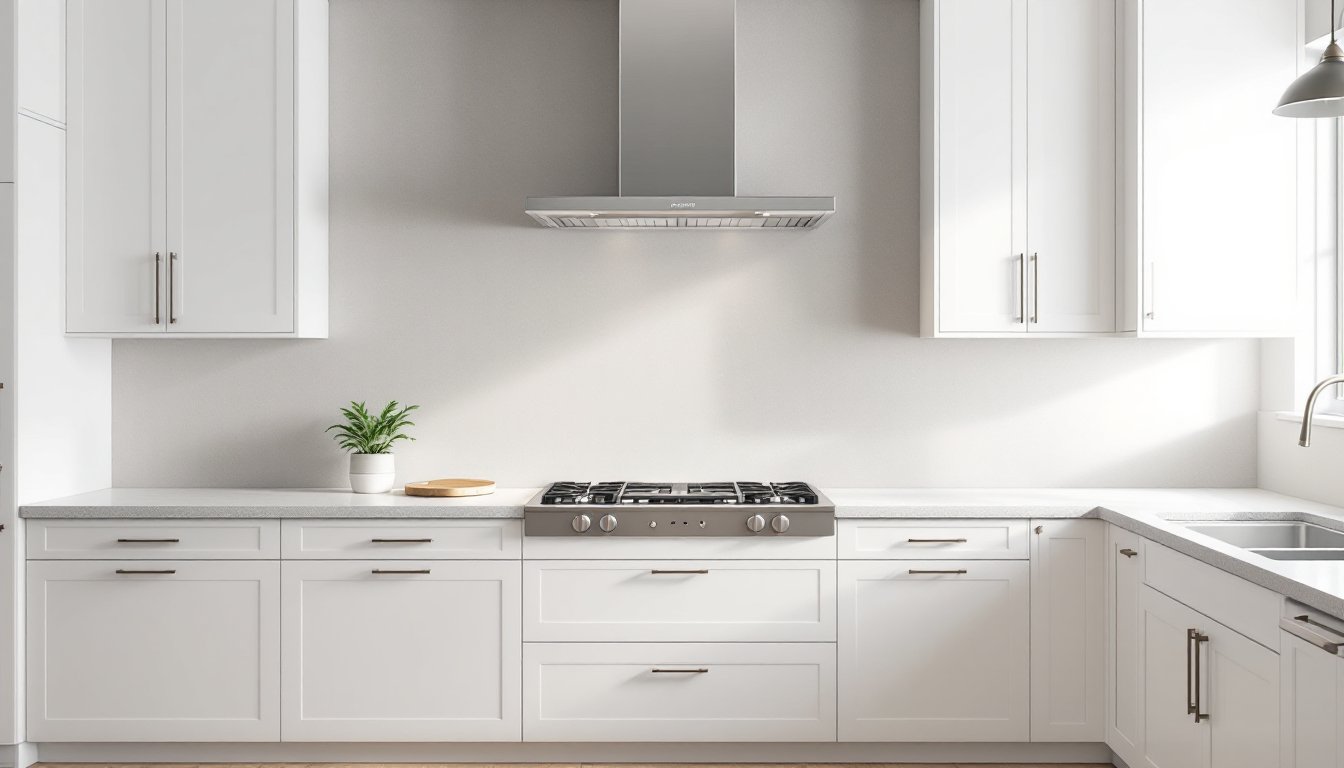
For a modern aesthetic, designers are recommending full-height backsplashes that extend from countertop to ceiling. This eliminates the visual break of painted drywall and makes small kitchens feel taller. It also simplifies cleaning, no paint to scrub above the stove.
Placement Tips:
- Start tile layout from the most visible wall or centered on a focal point (range, sink). Don’t begin in a corner and hope it works out.
- Plan so cut tiles at edges are at least half-width. Thin slivers look unfinished and are prone to cracking.
- Use tile spacers (1/8 or 3/16 inch for most kitchen tile) to maintain consistent grout lines.
- Check level every few tiles. Lippage from drift adds up fast, especially with large-format tile.
Color Schemes That Elevate Modern Kitchen Tiles
Color decisions depend on cabinet finish, countertop material, and lighting. Here are approaches that work in 2026:
Monochromatic Neutrals: White, gray, taupe, or black tile matched to cabinetry creates a cohesive, calming space. Add depth with texture, matte vs. glossy, or 3D tiles with raised patterns. This scheme suits minimalist and Scandinavian styles. Homeowners exploring modern kitchen aesthetics often gravitate toward this understated approach.
Contrast and Anchoring: Dark tile with light cabinets (or vice versa) creates definition. A charcoal hexagon floor anchors white shaker cabinets: a white subway backsplash pops against navy lowers. This approach prevents the “showroom sterile” feel of all-white kitchens.
Warm Earth Tones: Terracotta, rust, ochre, and clay-inspired tiles add warmth without going full-on rustic. Pair these with natural wood tones and matte black fixtures for a modern organic look. These colors hide minor stains better than stark white.
Accent Color as the Hero: If cabinets and counters are neutral, let tile be the color moment. A jewel-tone backsplash (emerald, sapphire, burnt orange) or patterned encaustic floor becomes the kitchen’s focal point. Keep the rest of the palette quiet so the tile doesn’t compete.
Grout Color Matters: Grout can enhance or undermine your tile choice. White grout with white tile looks crisp but shows stains. Gray or taupe grout is more forgiving and can tie together mixed materials. Dark grout with light tile creates a grid effect, modern, but high-contrast. Contrasting grout with geometric tile emphasizes the pattern: matching grout lets the tile shape speak for itself.
For practicality, mid-tone grout (gray, taupe, buff) hides everyday grime better than pure white or black. Epoxy grout is more stain-resistant than traditional cementitious grout but costs more and is harder to apply. If you’re DIYing, standard sanded or unsanded grout with a quality sealer is a solid choice.
Test samples in your actual kitchen lighting before committing. Tile that looks warm in the showroom can read cold under LED recessed lights. Buy a few loose tiles, set them on your counter, and observe at different times of day. Many kitchen design resources, including The Kitchn, recommend living with samples for at least a week before ordering full quantities.
Finally, consider longevity. Trendy colors date faster than neutrals with textured interest. If you plan to sell within five years, opt for timeless palettes. If this is your forever kitchen, choose what you love, you’ll be looking at it every day.