Table of Contents
ToggleBathroom design has shifted from purely functional space to a room that reflects personal style and prioritizes comfort. The trends emerging in 2026 emphasize natural elements, bold choices, and technology that actually improves daily routines. Whether tackling a full gut renovation or updating fixtures on a weekend, these design directions offer practical ways to modernize a bathroom without chasing fads that’ll look dated in two years. Most of these approaches work in standard 5’×8′ bathrooms and larger master suites alike, though structural changes like moving plumbing will require permits in most jurisdictions.
Key Takeaways
- Bathroom design trends in 2026 prioritize natural materials like limestone, teak, and clay tiles paired with bold color palettes and spa-inspired features that transform bathrooms from purely functional spaces into personal retreats.
- Statement lighting has replaced builder-grade vanity bars, with sculptural pendants, eye-level sconces at 60–65 inches, and LED ambient strips now defining bathroom lighting design.
- Bold, saturated colors—including deep greens, terracottas, navy blues, and charcoal grays—are replacing all-white bathrooms, creating intimate spaces when paired with adequate lighting and reflective surfaces.
- Spa-inspired features like heated radiant floors, curbless walk-in showers with rainfall showerheads, and freestanding soaking tubs are becoming standard in renovations rather than luxury add-ons.
- Smart technology and sustainable solutions, including dual-flush toilets, digital shower controls, motion-sensor faucets, and WaterSense-labeled fixtures, reduce water waste while improving daily bathroom routines.
- Vintage revival styles from the 1920s Art Deco and 1970s eras are resurfacing with modern materials like pedestal sinks with updated mounting, hex tile floors in durable porcelain, and brushed brass fixtures that develop natural patina or resist tarnish.
Natural Materials and Organic Textures Take Center Stage
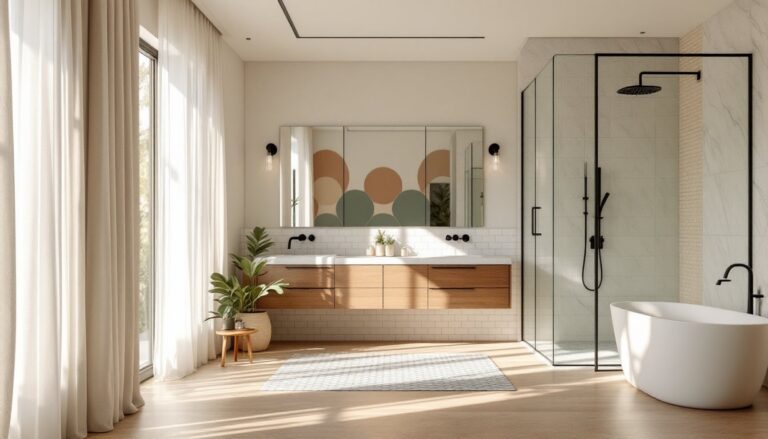
Stone, wood, and clay-based materials dominate 2026 bathroom aesthetics. Limestone, travertine, and textured marble appear on walls, floors, and even vanity tops, not the polished, uniform slabs of the 2010s, but pieces with visible veining, fossils, and organic variation.
For walls, consider large-format limestone tiles (12″×24″ or larger) with a honed finish rather than polished. They hide water spots better and provide slip resistance when used on floors. Expect to pay $8–$15 per square foot for mid-grade material, plus installation. Natural stone requires sealing every 12–18 months with a penetrating sealer, skip this and you’ll deal with staining from hard water and soap.
Wood elements work when properly treated. Teak, white oak, and walnut show up as floating vanities, open shelving, and accent walls. Use only wood rated for wet environments or treated with marine-grade polyurethane. A teak shower bench or bath mat adds warmth without the maintenance headaches of untreated lumber.
Clay and terracotta tiles, particularly in irregular shapes like zellige or handmade subway tiles, create textured backsplashes and shower surrounds. These aren’t perfectly uniform, that’s the point. The handcrafted look pairs well with matte black or brushed brass fixtures. Grout lines will be more visible with irregular tiles, so choose grout color carefully (matching or slightly darker than the tile hides imperfections).
Statement Lighting That Commands Attention
Overhead builder-grade vanity bars are out. Sculptural pendants, oversized sconces, and ambient LED strips define bathroom lighting in 2026.
Pendant lights flanking a mirror or hung above a freestanding tub replace traditional sconces. Use fixtures rated for damp locations (UL listing will specify). In shower zones (within 3 feet of a tub or shower), you’ll need wet-location rated fixtures. Hiring a licensed electrician is non-negotiable if you’re adding new junction boxes or circuits, bathroom electrical work requires GFCI protection per NEC Article 406.9.
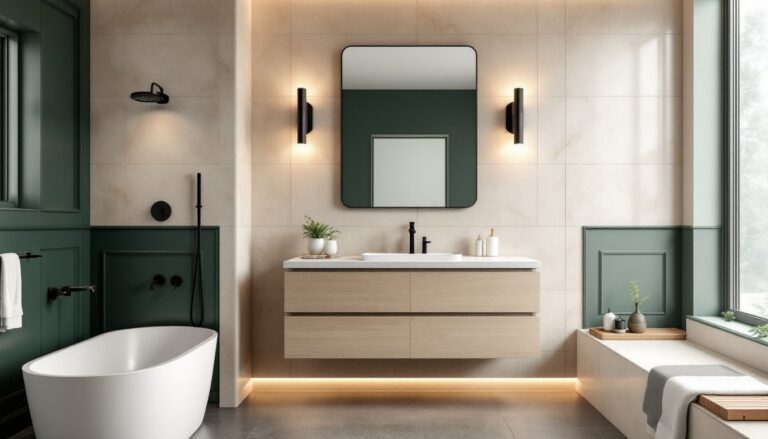
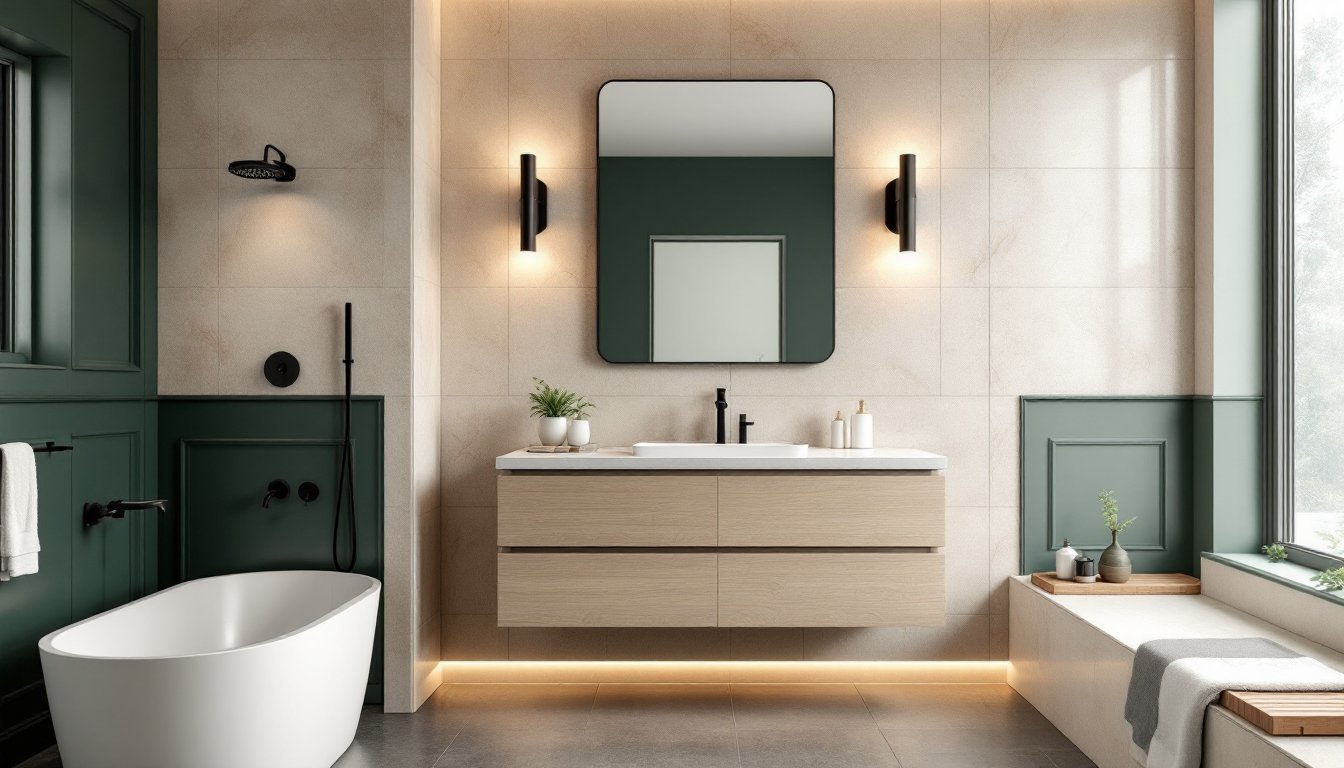
Sconces mounted at eye level (roughly 60″–65″ from the floor) on either side of a mirror provide even, shadow-free light for grooming. Look for fixtures with frosted glass or fabric shades to diffuse the light. LED bulbs in the 2700K–3000K range (warm white) are more flattering than cooler temperatures.
For ambient lighting, recessed LED strips installed behind floating vanities or under open shelving add soft illumination without glare. Use IP65-rated strips in areas that may get wet. Dimmer switches allow adjusting light levels for different times of day, a dimmed bathroom at night beats harsh overhead lights.
Chandelier-style fixtures work in larger bathrooms with 9-foot or higher ceilings, but verify the fixture is rated for damp environments. Safety warning: Never install a standard indoor chandelier in a bathroom: moisture will corrode connections and create shock hazards.
Bold Color Palettes Replace All-White Bathrooms
All-white bathrooms dominated the past decade. 2026 brings saturated hues, contrasting tones, and the color drenching technique where walls, trim, and ceiling share the same bold color.
Deep greens (forest, olive, sage), warm terracottas, navy blues, and charcoal grays appear on walls and cabinetry. In small bathrooms, dark colors can actually make the space feel more intimate rather than cramped, pair them with adequate lighting and reflective surfaces like mirrors or glossy tile.
Paint selection matters in wet environments. Use bathroom-specific paint with mildew-resistant additives. Semi-gloss or satin finishes withstand moisture better than flat paint and wipe clean more easily. Benjamin Moore Aura Bath & Spa and Sherwin-Williams Duration Home Interior are solid options, offering good coverage (roughly 350–400 sq ft per gallon) and durability.
Colorful tile makes a permanent statement. Encaustic cement tiles in geometric patterns work for floors in bathrooms without heavy moisture exposure. For shower surrounds, glazed ceramic or porcelain in solid colors provides durability with easier maintenance than cement tile. A jewel-toned vanity, painted or factory-finished, anchors the space. If painting existing cabinetry, use a bonding primer like STIX or BIN shellac-based primer before applying a durable cabinet paint.
Two-tone approaches are popular: dark lower cabinets with lighter upper walls, or a bold shower enclosure with neutral floors and vanity area. This breaks up the space visually without overwhelming it.
Spa-Inspired Features for Ultimate Relaxation
Homeowners want bathrooms that function like personal retreats. Spa features once considered luxury items are becoming standard in renovations.
Heated floors top the list. Electric radiant floor heating mats install directly under tile (add about $5–$8 per square foot in materials). They’re a manageable DIY project if you’re already tiling, though hiring an electrician for the thermostat connection is smart. Hydronic (water-based) systems cost more and require professional installation but work well in whole-house radiant setups.
Walk-in showers with curbless entry, multiple shower heads, and built-in benches create a steam-room feel. A rainfall showerhead (10″–12″ diameter) paired with a handheld sprayer on a slide bar offers flexibility. Thermostatic mixing valves maintain consistent water temperature and prevent scalding, critical if you have kids or elderly users. Curbless showers require careful floor sloping (minimum 1/4″ per foot toward the drain) and a linear drain for proper water management.
Freestanding soaking tubs remain popular, acrylic models weigh less than cast iron and retain heat well. Floor joists may need reinforcement for heavy tubs: a full cast iron tub with water and occupant can exceed 1,000 pounds. Check with a structural engineer if you’re concerned about load capacity.
Natural elements like plants thrive in bathroom humidity. Pothos, ferns, and snake plants tolerate low light and filter air. Use ceramic or terracotta pots with drainage, sitting plants in water leads to root rot and mold.
Heated towel racks, whether wall-mounted or freestanding, keep towels dry and warm. Hardwired units require electrical work: plug-in versions are easier to add later.
Smart Technology and Sustainable Solutions
Technology in bathrooms focuses on water conservation and convenience, not gimmicks.
Smart toilets with bidet functions, heated seats, and automated lids are more common. Models from TOTO, Kohler, and American Standard offer various feature levels. These require a nearby GFCI outlet, plan accordingly during rough-in. Dual-flush toilets (0.8/1.6 gallons per flush) save water compared to older 3.5 gpf models: over a year, a family of four can save thousands of gallons.
Digital shower controls allow presetting water temperature and flow. Brands like Moen and Kohler offer systems that remember user preferences. These require professional installation and aren’t cheap ($800–$2,000+), but they eliminate temperature adjustments and reduce water waste waiting for hot water.
Motion-sensor faucets prevent water waste from taps left running. Models exist at various price points: spring for higher-quality solenoid valves that don’t fail after a year. Battery-operated versions work but require AA batteries every 6–12 months: hardwired models need an outlet or low-voltage transformer.
LED mirrors with built-in defoggers, color-temperature adjustment, and touch controls blend technology with function. The demister pad prevents fog buildup without wiping, useful in shared bathrooms. These typically require hardwiring to a junction box.
Sustainable materials matter to many homeowners. Look for reclaimed wood vanities, recycled glass countertops, and low-VOC paints and caulks. WaterSense-labeled fixtures (showerheads at 2.0 gpm or less, faucets at 1.5 gpm) reduce water use without sacrificing performance. Many utilities offer rebates for installing high-efficiency fixtures, check your local water district’s website.
Vintage Revival with Modern Functionality
Vintage aesthetics, particularly 1920s Art Deco and 1970s earthtones, appear in 2026 bathrooms, but with updated plumbing and materials that actually work.
Pedestal sinks and console vanities with exposed legs evoke early 20th-century style. Modern versions use vitreous china that’s easier to clean than old porcelain and mount securely to wall studs (hit at least one stud: use toggle bolts for additional support in drywall). These offer minimal storage, so plan for a medicine cabinet or wall-mounted shelving.
Clawfoot tubs, whether original cast iron or lightweight acrylic reproductions, serve as focal points. Freestanding tub fillers with floor-mount or wall-mount spouts require specialized rough-in, this isn’t a DIY swap from a standard alcove tub. Expect to hire a plumber for new supply lines.
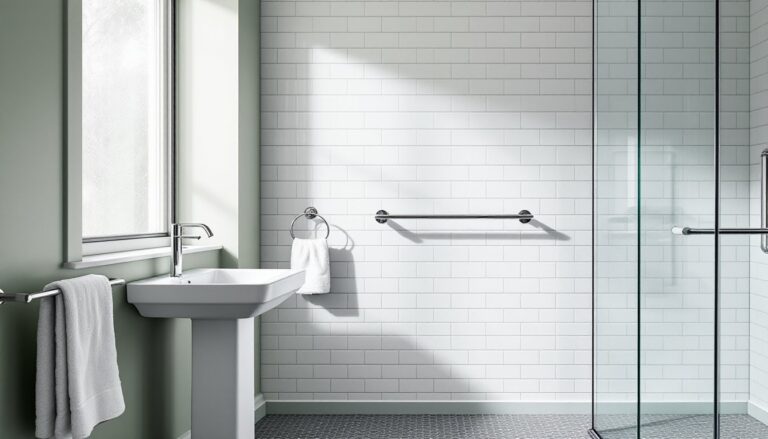
Hex tile floors (1″ or 2″ hexagons) and subway tile with colored grout channel vintage bathrooms. Modern porcelain hex tiles offer period looks with better durability and stain resistance than original ceramic. Darker grout (charcoal, black, or contrasting color) hides dirt but makes the grout lines a design feature, ensure they’re straight and consistent during installation.
Brushed brass, unlacquered brass, and oil-rubbed bronze fixtures replace the chrome and brushed nickel that dominated recent years. Unlacquered brass develops a natural patina over time, some homeowners love this: others don’t. If you want consistent color, choose lacquered or PVD-coated brass. These finishes cost more but resist tarnish and water spots.
Vintage-style light fixtures, globe sconces, industrial cage lights, schoolhouse pendants, combine with LED bulbs for period looks without incandescent energy waste. Reproduction fixtures are widely available: salvaged originals require rewiring by an electrician to meet current code.
Conclusion
These trends share common threads: authenticity over sterile perfection, function that enhances daily routines, and materials that age gracefully. Not every bathroom needs all these elements, choose what fits the space, budget, and skill level. Structural changes require permits and often professional help, but swapping fixtures, painting cabinets, or updating lighting are accessible weekend projects. The best bathroom design balances personal style with practical durability, creating a space that works now and adapts as needs change.