Table of Contents
TogglePlanning a 3 bedroom house involves more than picking paint colors and furniture. Whether you’re building from scratch, renovating, or just rethinking your existing layout, the design choices you make now will affect livability, resale value, and daily comfort for years to come. This guide breaks down layout strategies, space optimization tactics, and trending design approaches that work in real homes, not just on mood boards. You’ll learn how to balance function with style, avoid common planning mistakes, and make informed decisions about everything from room placement to material selections.
Key Takeaways
- A 3 bedroom house design offers the ideal balance of space, resale appeal, and reasonable maintenance costs, appealing to families, remote workers, and empty nesters alike.
- Choose between open floor plans for perceived spaciousness and compartmentalized layouts for better sound isolation and temperature control, depending on your lifestyle and lot constraints.
- Prioritize minimum bedroom dimensions of 10×10 feet for secondary bedrooms and 12×14 feet for primary bedrooms, with strategic closet organization and egress-compliant windows for both functionality and safety.
- Optimize common areas by planning traffic patterns that avoid cross-traffic, maintaining the kitchen work triangle at 13-26 feet perimeter, and using natural light strategically to enhance livability.
- Embrace 2026 design trends that focus on authentic materials, sustainable features like aging-in-place accommodations, and bold accent colors that complement functional, durable finishes rather than temporary aesthetics.
Why 3 Bedroom Houses Are the Sweet Spot for Modern Living
Three bedroom homes consistently rank as the most popular configuration in the residential market, and for good reason. They offer enough space for growing families, home offices, or guest rooms without the maintenance burden and heating/cooling costs of larger homes.
From a resale perspective, 3 bedroom properties appeal to the widest buyer pool. Young families need separate rooms for children. Empty nesters want a primary bedroom plus dedicated spaces for hobbies and visitors. Remote workers require a legitimate office that closes off from living areas.
Square footage typically ranges from 1,200 to 2,000 square feet for single-story builds, and 1,400 to 2,400 square feet for two-story designs. This size bracket keeps property taxes reasonable while providing enough room to avoid constant compromise on storage and function.
Construction costs also hit a practical middle ground. You’re building enough house to justify quality materials and efficient systems, but you’re not paying for rooms that sit empty most of the year. Modern building techniques featured on resources like Fine Homebuilding emphasize energy efficiency in this size range, making it easier to achieve net-zero or passive house standards without extreme budgets.
Essential Layout Configurations for 3 Bedroom Homes
Your floor plan determines how the house feels to live in, not just how it looks on paper. The two dominant approaches, open concept and compartmentalized, each solve different problems.
Open Floor Plan Designs
Open layouts combine kitchen, dining, and living areas into one continuous space. This configuration dominates new construction because it maximizes perceived square footage and keeps families connected during daily routines.
Structural considerations: Removing walls between rooms often means installing engineered beams (LVL or steel I-beams) to carry loads that studs used to handle. These beams typically rest on 6×6 or larger posts at transition points. If you’re converting an existing home, consult a structural engineer, load-bearing wall removal done wrong leads to sagging floors and cracked drywall.
Practical trade-offs: Open plans amplify noise. Cooking sounds travel directly to the living room. HVAC systems work harder because they’re conditioning one large volume instead of smaller zones. Consider sound-dampening insulation (like Rockwool Safe’n’Sound in interior walls) and multi-zone mini-split systems if noise and temperature control matter.
Bedrooms in open-plan homes typically cluster in a separate wing or upstairs level, creating a clear public/private divide. The primary bedroom often sits apart from secondary bedrooms to reduce disturbances.
Traditional Compartmentalized Layouts
Compartmentalized designs use hallways and dedicated rooms for each function. You’ll find distinct spaces for kitchen, dining room, and living room, often with doorways or partial walls between them.
Advantages: Better sound isolation, defined spaces for focused activities, and easier temperature zoning. Formal dining rooms can double as home offices with a simple door addition. Kitchens stay visually contained, dirty dishes don’t greet everyone who walks in the front door.
Layout mechanics: Hallways eat 5-8% of total square footage but provide privacy and reduce cross-traffic through living areas. Secondary bedrooms often share a hallway and bathroom (Jack-and-Jill or hall bath configurations), while the primary suite gets isolated for quiet.
This approach works well on narrow lots where you’re building deeper rather than wider, and in regions where traditional home styles still dominate resale appeal.
Maximizing Space and Functionality in Each Bedroom
Bedroom design goes beyond bed placement. Think about circulation space, storage density, and natural light.
Minimum functional dimensions: Building codes typically require 70 square feet minimum for habitable rooms, but that’s barely usable. Aim for 10×10 feet minimum (100 sq ft) for secondary bedrooms and 12×14 feet or larger (168+ sq ft) for primary bedrooms. These dimensions allow a queen bed, nightstands, and a dresser without furniture blocking doors or windows.
Closet strategy: Standard reach-in closets need 24 inches of depth (actual depth, not including door swing). Wire shelving wastes vertical space, install adjustable shelving systems (ClosetMaid, Elfa, or custom) with double-hang rods in kids’ rooms and a mix of hanging/shelving in primary closets. Walk-in closets require at least 6×6 feet to avoid a glorified corridor.
Window placement: Position windows to allow cross-ventilation (windows on two walls when possible) and ensure at least one egress-compliant window per bedroom. IRC code requires minimum 5.7 square feet of openable area, with a minimum opening height of 24 inches and width of 20 inches. The sill can’t sit higher than 44 inches above the floor. This isn’t just code compliance, it’s life safety.
Electrical planning: Each bedroom needs a minimum of one 15-amp circuit, but modern use demands more. Plan for outlets on each wall (spaced no more than 12 feet apart), dedicated USB charging ports near beds, and overhead lighting on separate switches from receptacles. If a bedroom doubles as an office, add a 20-amp circuit for computers and equipment.
Flooring choices: Carpet remains popular for warmth and sound dampening, but luxury vinyl plank (LVP) and engineered hardwood simplify cleaning and work better for allergy sufferers. If using hard surfaces, add area rugs to control noise transfer to rooms below.
Design Considerations for Common Areas and Flow
Common areas, kitchen, living room, dining space, and hallways, handle the most traffic and determine whether a house feels chaotic or calm.
Traffic patterns: Map primary pathways before finalizing room placement. The route from garage to kitchen shouldn’t cross through the living room. Bathroom access shouldn’t require walking through bedrooms. Aim for 36-inch minimum clearances in hallways and 42-48 inches in high-traffic kitchen zones.
Kitchen work triangle: Even in open layouts, the classic work triangle (sink, stove, refrigerator) still matters. Keep the total perimeter between 13-26 feet. Islands and peninsulas can anchor one point of the triangle, but make sure you’ve got 42 inches minimum of clearance behind anyone working at the island, 48 inches is better if multiple cooks use the space.
Living room proportions: A 12×16-foot living area accommodates standard furniture arrangements (sofa, chairs, coffee table) without crowding. If combining living and dining areas, budget 10×12 feet minimum for the dining zone to fit a table with 36 inches of pullout space behind each chair.
Natural light strategy: South-facing windows deliver consistent daylight without harsh glare (in the Northern Hemisphere). East windows bring morning sun, west windows create hot afternoon conditions. Plan window sizes and overhangs accordingly, 2-foot roof overhangs block high summer sun while allowing lower winter sun to enter.
Transition zones: Mudrooms or dedicated entry areas prevent outdoor mess from spreading through the house. A 5×6-foot minimum mudroom fits bench seating, coat hooks, and boot storage. If space is tight, a built-in bench with cubbies in a hallway provides similar function.
Trending Design Styles for 3 Bedroom Houses in 2026
Design trends in 2026 emphasize durability, sustainability, and flexibility over purely aesthetic choices. Homeowners want spaces that adapt to changing needs without major renovations.
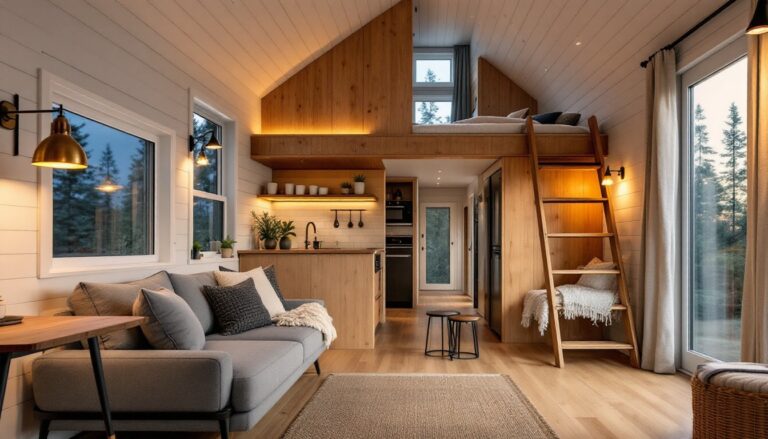
Modern farmhouse evolution: The modern farmhouse aesthetic continues but with refined material choices. Expect fiber cement siding (like James Hardie) instead of vinyl, standing seam metal roofs for longevity, and real wood accents rather than plastic substitutes. Interiors feature shiplap used strategically (one accent wall, not every surface) and matte black or aged brass fixtures that won’t look dated in five years. Platforms like Homify showcase how this style balances rustic warmth with clean lines.
Scandinavian minimalism with warmth: This approach prioritizes natural materials, neutral palettes, and uncluttered spaces. Think white oak flooring, plaster or lime-wash wall finishes, and built-in storage that hides visual clutter. Kitchens use flat-panel cabinetry in light wood tones or soft grays, often frameless (European-style) for a seamless look.
Indoor-outdoor integration: Sliding or folding glass walls (8-12 feet wide) connect living spaces to patios or decks. This works best in temperate climates but requires proper detailing, use thermally broken aluminum frames to prevent condensation, and plan for flush thresholds (ADA-compliant height transitions) to avoid tripping hazards.
Sustainable and adaptive design: Homeowners increasingly plan for future needs. Wider doorways (36 inches minimum) and hallways accommodate wheelchairs or walkers. First-floor primary suites eliminate stair dependence. Electrical systems include conduit for future solar or EV charging. Many design galleries now feature aging-in-place elements as standard, not special accommodations.
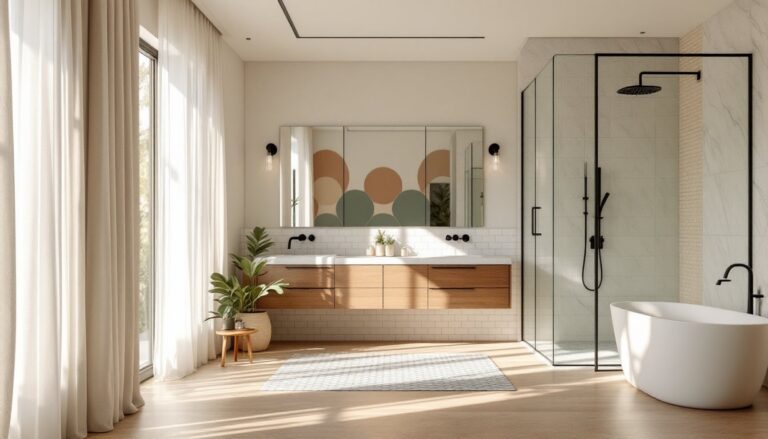
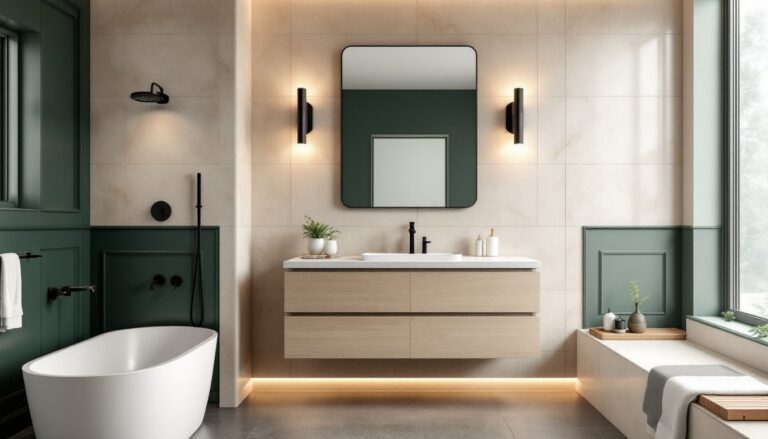
Bold accent choices: While base palettes stay neutral, accent colors have shifted toward deep greens (forest, olive), warm terracottas, and navy blues. These work as cabinet colors, tile choices, or exterior door paint. Unlike trendy pastels, these saturated tones age well and pair with natural materials.
Material authenticity: Fake finishes are out. Buyers and builders favor real wood (even if it’s paint-grade), actual stone or porcelain tile (not peel-and-stick), and metal hardware over plastic. The upfront cost is higher, but durability and resale value justify it. When budgets are tight, use quality materials in high-impact areas (kitchen, primary bath) and simpler finishes elsewhere.