Table of Contents
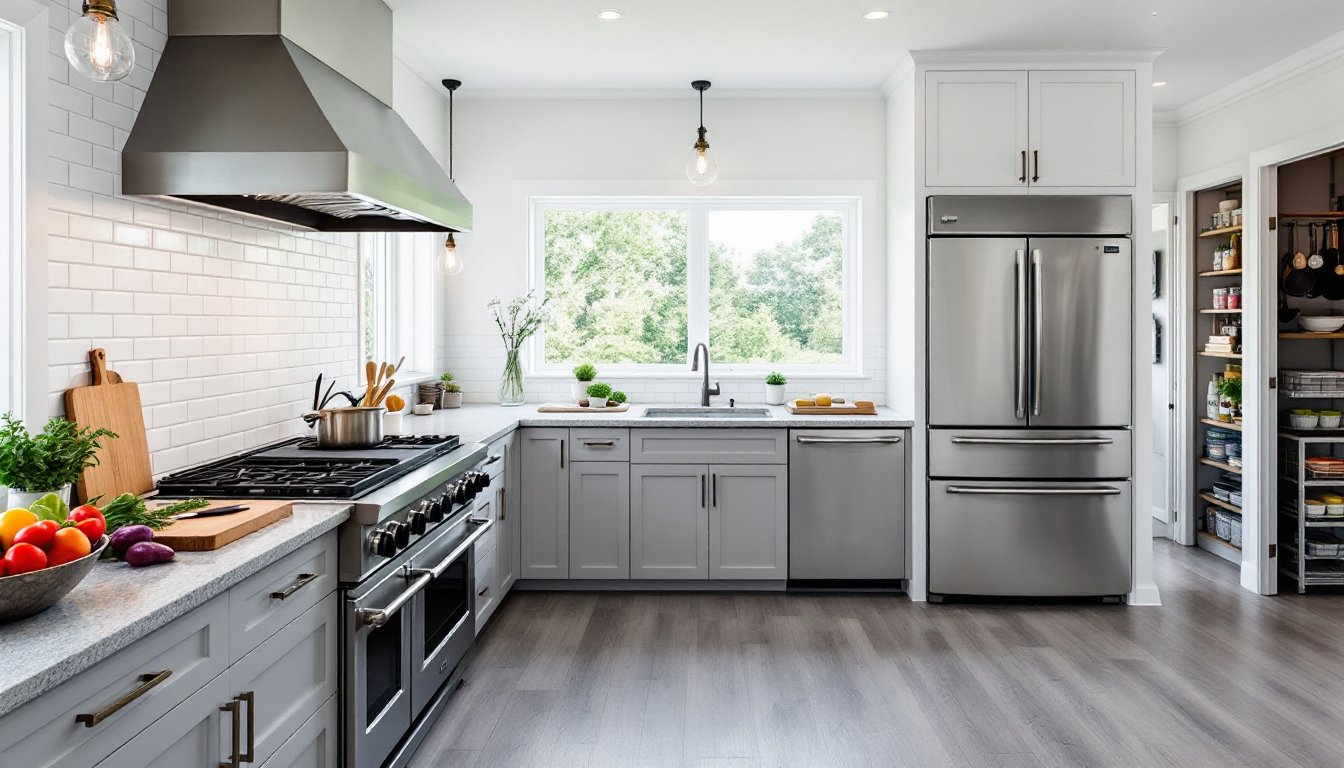
ToggleA chef kitchen isn’t just about stainless steel and granite, it’s a workspace engineered for serious cooking. Whether someone’s prepping multi-course dinners or testing recipes for a side business, a well-designed culinary space prioritizes workflow, durability, and speed over aesthetics alone. This isn’t a Pinterest fantasy: it’s about choosing the right appliances, maximizing prep zones, and building a layout that handles real volume. Homeowners who cook daily or entertain frequently will find that adopting professional kitchen principles transforms efficiency and enjoyment.
Key Takeaways
- A chef kitchen design prioritizes workflow and durability through commercial-grade appliances, ample prep zones, and professional-level ventilation to handle serious cooking demands.
- Efficient layout relies on defined zones (prep, cooking, cleanup) with strategic placement of the sink, range, and refrigerator to minimize unnecessary movement during meal preparation.
- Professional-style ranges with 15,000–25,000 BTU burners, dual-fuel models, and 600+ CFM range hoods are essential investments that significantly improve cooking speed and capacity compared to standard residential equipment.
- Durable countertop materials like quartz, sealed granite, or stainless steel withstand daily heat, knife work, and acidic spills while requiring minimal maintenance in a chef kitchen design.
- Deep drawers with soft-close slides, pull-out pantry organizers, and vertical dividers maximize storage efficiency and keep frequently used tools accessible within their designated work zones.
- Structural upgrades including 50-amp 240V circuits for high-powered ranges and reinforced plumbing for pot fillers require electrical and code verification before installation begins.
What Defines a Chef Kitchen?
A chef kitchen, sometimes called a gourmet or professional-grade kitchen, centers on function over decoration. Unlike standard residential kitchens designed for occasional use, these spaces accommodate extended cooking sessions, multiple dishes running simultaneously, and frequent cleanup cycles.
Key characteristics include commercial-grade appliances (high-BTU ranges, oversized refrigeration), ample counter space for prep work, and durable, easy-to-clean materials like stainless steel or sealed stone. Ventilation becomes critical: a 600+ CFM range hood is standard to handle the heat and grease output from professional burners.
Storage differs too. Instead of decorative open shelving, chef kitchens favor deep drawers, pull-out organizers, and dedicated zones for cookware, dry goods, and utensils. The goal is to minimize steps and decision fatigue during meal prep. Lighting shifts from ambient fixtures to task lighting over every work surface, under-cabinet LEDs and pendant lights positioned to eliminate shadows on cutting boards and stovetops.
Structurally, these kitchens may require electrical upgrades. A 50-amp 240V circuit for a dual-fuel range or a dedicated 20-amp line for a high-powered blender can necessitate panel modifications. Plumbing may also need reinforcement if adding a pot filler or commercial-style pre-rinse faucet. Check local codes: some jurisdictions treat kitchens with commercial equipment differently for permitting.
Essential Layout Principles for Chef Kitchens
Layout dictates efficiency. A poorly planned kitchen forces unnecessary movement, slowing down every task from chopping onions to plating desserts.
The Work Triangle and Professional Zones
The classic work triangle, connecting sink, stove, and refrigerator, remains relevant, but chef kitchens expand it into defined zones. The prep zone needs 36–48 inches of uninterrupted counter space adjacent to the sink, with knife storage and cutting boards within arm’s reach. The cooking zone clusters the range, oven, and spices, ideally with heat-resistant landing space on both sides (minimum 15 inches, per IRC guidelines).
A cleanup zone separates dirty work from food prep. Position the dishwasher within one step of the sink, with trash and compost bins in base cabinets nearby. For households that entertain, a beverage station, mini-fridge, ice maker, glassware, keeps guests out of the primary workflow.
Island dimensions matter. A working island should offer at least 42 inches of clearance on all sides to allow two people to pass comfortably. If the island includes seating, add 12–15 inches of overhang and ensure bar stools don’t block cabinet access. For serious bakers, consider a marble or granite insert in the island, cool surfaces help with pastry and chocolate work.
Open floor plans can complicate zoning. Use functional kitchen organization strategies like area rugs or pendant light clusters to visually separate zones without walls. If structural walls exist, verify they’re not load-bearing before removal: hire an engineer if there’s any doubt.
Must-Have Appliances and Equipment
Appliance selection separates a chef kitchen from a standard remodel. These aren’t lifestyle upgrades, they’re tools that affect cooking speed, consistency, and capacity.
Commercial-Grade Ranges and Cooktops
A professional-style range delivers 15,000–25,000 BTU burners (versus 9,000–12,000 BTU on standard residential models). That power brings water to a boil in half the time and maintains wok-level heat for stir-fries. Dual-fuel models, gas cooktop with electric convection oven, offer the best of both: responsive flame control and even baking.
Expect a 36-inch or 48-inch footprint: standard 30-inch residential slots won’t fit. Installation requires a natural gas line or propane tank sized for the BTU load, plus adequate clearance from combustibles (typically 6 inches to side walls). Budget for a Type I range hood with a makeup air system if the range exceeds 400 CFM, many codes now mandate it for powerful ventilation.
Alternatives exist for smaller budgets. A high-output induction cooktop (3,600+ watts per element) rivals gas for speed and control, with easier cleanup. Portable induction burners work for testing the technology before committing to a built-in unit.
Beyond the range, prioritize a counter-depth refrigerator (24-inch depth) for better traffic flow and a second oven or steam oven for handling multiple dishes. Professional-grade appliances often feature all-metal interiors and serviceable components, key for longevity. A commercial-style dishwasher with a 1-hour cycle and stainless tub handles heavy use better than plastic-lined models.
Countertops and Work Surfaces for Serious Cooking
Countertops in a chef kitchen endure hot pans, knife work, acidic spills, and frequent scrubbing. Material choice directly impacts both durability and workflow.
Quartz (engineered stone) offers the best balance: non-porous, stain-resistant, and available in thick slabs (2 cm or 3 cm) that feel substantial. Unlike natural stone, it doesn’t require sealing. Avoid placing hot pots directly on quartz, use trivets to prevent thermal shock.
Granite remains popular for its heat resistance and unique veining. It requires annual sealing to prevent staining from oils and wine. Honed (matte) finishes hide scratches better than polished surfaces. For prep-intensive kitchens, a granite or soapstone insert near the cooktop provides a dedicated zone for hot cookware.
Butcher block (hard maple or walnut, 1.5–2 inches thick) works well for a dedicated prep island. It’s knife-friendly and repairable with sanding, but requires monthly oiling with food-safe mineral oil. Keep it away from the sink, standing water causes warping and mold.
Stainless steel counters mirror commercial kitchens: hygienic, heat-proof, and easy to disinfect. They scratch and dent easily, developing a patina over time. Gauge matters, 16-gauge stainless (0.0625 inches) resists denting better than 18-gauge. Expect custom fabrication and higher costs.
Edge profiles affect usability. A square or beveled edge maximizes usable surface area: decorative ogee edges waste space and collect grime. Depth should be 25–26 inches for base cabinets, with overhangs limited to 10 inches without support brackets.
Storage Solutions That Maximize Efficiency
Professional kitchens rely on accessibility and organization, not decorative displays. Every item should have a designated spot within the zone where it’s used most.
Deep drawers (12–18 inches) beat lower cabinets for pots, pans, and small appliances. Install full-extension soft-close slides rated for 100+ pounds: cheap hardware fails under the weight of cast iron. Divide drawers with adjustable peg systems or custom inserts to prevent shifting.
For dry goods and spices, pull-out pantry cabinets (12–18 inches wide) provide better visibility than walk-in pantries, where items get buried. Use clear airtight containers for flour, sugar, and grains, they stack efficiently and protect against pests.
Upper cabinets should extend to the ceiling to eliminate dust-collecting gaps and maximize storage. Use the top shelves for seasonal items or serving pieces. Install interior lighting in glass-front cabinets if displaying glassware: otherwise, solid doors keep the space looking clean.
Vertical dividers in base cabinets organize sheet pans, cutting boards, and lids, items that topple in stacks. A toe-kick drawer (4-inch height) below base cabinets captures wasted space for storing flat items like placemats or rolling pins.
Don’t overlook drawer outlets for charging small appliances in place or appliance garages with tambour doors to hide countertop clutter. For serious knife collectors, a magnetic wall strip or in-drawer knife block keeps edges sharp and accessible.
Finally, plan for growth. Design elements inspired by chef-focused kitchens often include modular storage that adapts as cooking styles evolve. Leave 10–15% of cabinet space unfilled at installation to accommodate future tools and equipment.
Safety note: Install childproof locks on drawers containing sharp tools or heavy cookware if kids are in the home. Soft-close mechanisms reduce pinch points but aren’t a substitute for proper latches.